Gravel Driveways 101: What Homeowners in Central Texas Need to Know
A professional demolition project in Central Texas typically runs from one day for a shed or garage to two to five days for a residential home, with commercial jobs taking one to three weeks. The contractor handles permit applications, disconnects and cleanup coordination, and disposal of concrete, wood, and metal debris, while the property owner arranges utility disconnection ahead of the crew's arrival. Hazardous materials such as asbestos are flagged during a pre-demolition inspection and removed by licensed specialists. Once the work is complete, the site is cleared of debris and rough graded, ready for the next phase of construction or landscaping.
Demolition can feel like an overwhelming project for a first-time property owner. Homeowners in Clifton TX and across Bosque County often arrive at the same set of questions before signing a contract: how long the job will take, who is responsible for permits, what happens to the debris once the structure comes down, and whether the property will be left safe and usable afterward. This FAQ walks through what to expect during a professional demolition project from the first permit application to the final site walkthrough. Property owners in Meridian, Whitney, and the wider Central Texas region can use this guide to understand each stage before the first piece of equipment arrives on site.
How Long Does a Demolition Project Typically Take?
Project timelines vary based on the size and type of structure being removed. A small shed or detached garage is usually cleared in a single day. A residential home generally takes between two and five days from the first cut to final debris removal, depending on square footage, foundation type, and access to the site. Commercial structures take longer, often one to three weeks, because of larger footprints, additional safety planning, and more extensive material sorting.
Several factors can extend these estimates. Permit processing time, weather delays, and the discovery of hazardous materials during inspection are the most common causes of a longer schedule. A licensed crew accounts for these variables when building the project timeline, so property owners receive a realistic window rather than a best-case guess.
Who Is Responsible for Pulling Permits?
In Texas, the demolition contractor typically handles the permit application process on behalf of the property owner, though the owner may need to sign off on certain paperwork before work begins. Requirements are set by the Texas Department of Licensing and Regulation, and a licensed crew stays current on local code requirements for Bosque County and the surrounding area.
Starting demolition without a permit can result in fines, stop-work orders, and delays that push the project timeline back significantly. Confirming permit status before the first day of work protects the property owner from unnecessary setbacks and keeps the project moving on schedule.
Do I Need to Disconnect Utilities Before the Crew Arrives?
Gas, electric, water, and sewer lines must be capped and signed off before demolition begins. This step protects the crew and prevents damage to surrounding infrastructure. Utility disconnection is typically coordinated between the property owner and the local utility provider, though demolition services from an experienced contractor include guidance on which providers to contact and what documentation is needed.
Scheduling utility disconnection early helps avoid last-minute delays. Providers can take several business days to process a disconnection request, so this step should be handled well before the crew's scheduled arrival date.
What Happens to the Debris After Demolition?
Debris Hauling and Disposal
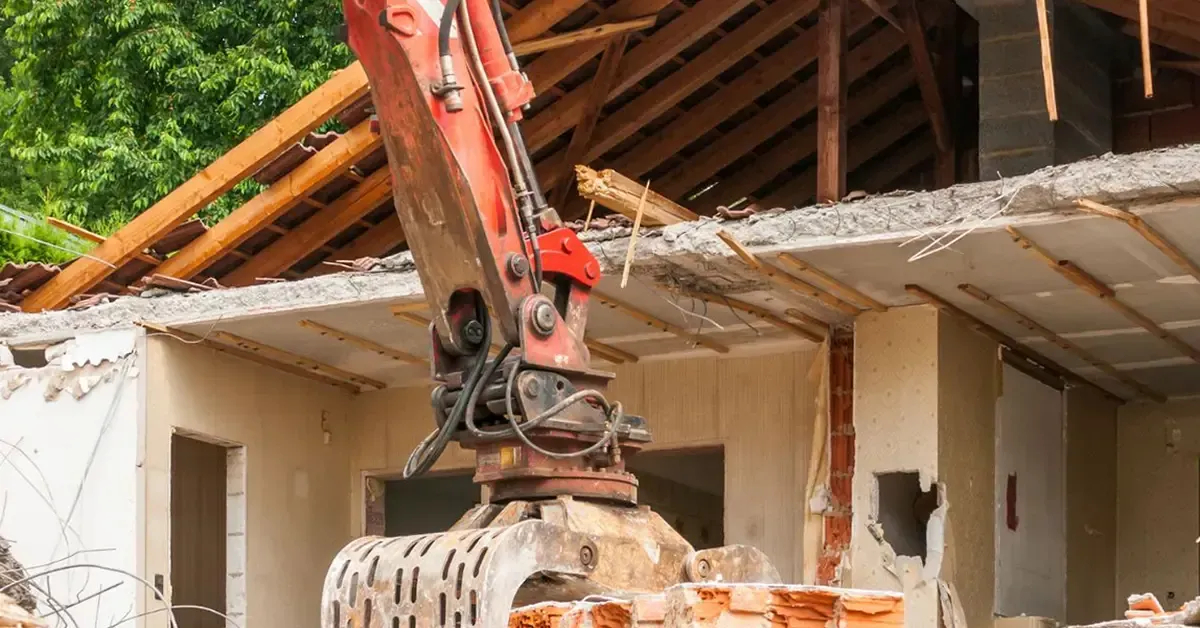
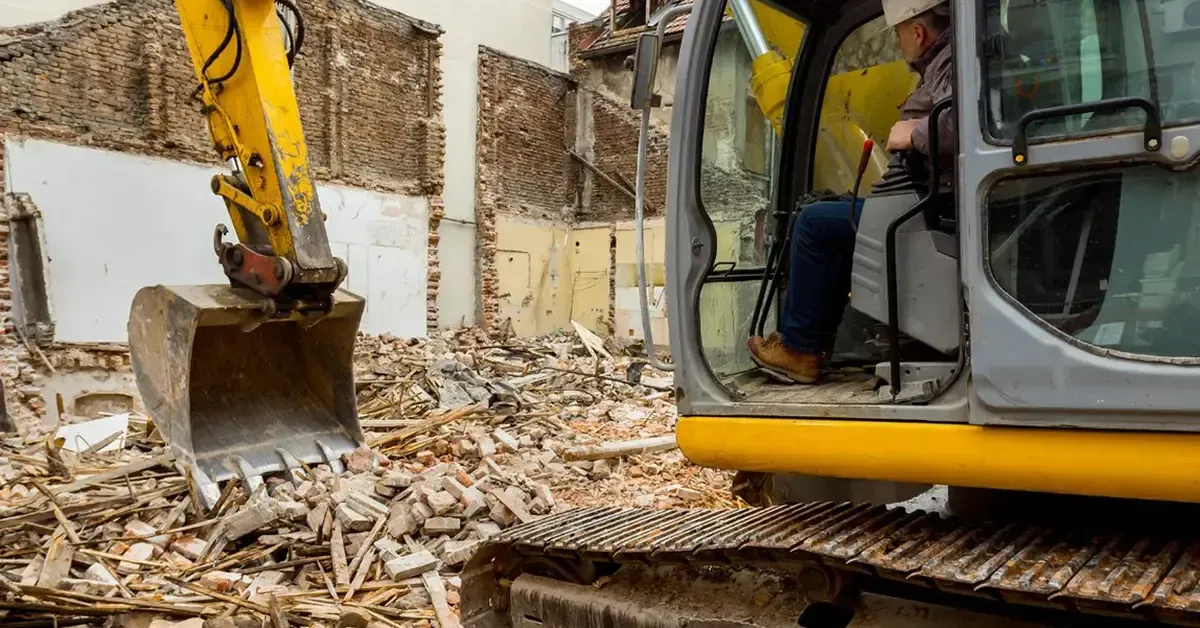
Debris removal is typically included in the scope of a demolition project. Concrete and masonry are often crushed and recycled for use as fill or aggregate. Metal components, including framing, pipes, and fixtures, are separated and sent to scrap recycling facilities. Wood and other combustible materials are hauled to a licensed landfill unless a recycling option is available locally. A licensed crew sorts materials on site so the maximum amount of debris is diverted away from the landfill.
What About Hazardous Materials?
Asbestos, lead paint, and other hazardous materials require separate handling under guidelines set by the U.S. Environmental Protection Agency. These materials are flagged during a pre-demolition inspection, well before any equipment touches the structure, and removed by licensed specialists using approved containment and disposal methods. Older homes and outbuildings in Bosque County are inspected closely for these materials given the age of construction common in the area.
Will the Demolition Damage Neighboring Properties?
Standard safety precautions keep neighboring structures protected throughout the project. Physical barriers are placed around the perimeter, controlled demolition techniques limit the direction and force of collapse, and dust suppression equipment reduces airborne particles during teardown. These practices align with OSHA demolition guidelines, which set the safety standards a licensed crew follows on every job site.
A pre-demolition walkthrough with adjacent property owners is often recommended, particularly in tighter residential lots common in Clifton TX and the surrounding neighborhoods. This step documents existing property conditions and gives neighbors a chance to raise concerns before work starts.
What Condition Will My Property Be In After Demolition?
Once the structure is removed and all debris is hauled away, the site is typically left rough graded and cleared, ready for the next phase of construction or landscaping. Foundations and slabs are removed unless the property owner requests they remain for reuse. Additional grading or fill work can be requested as an add-on service depending on what the next phase of the property calls for.
Can Demolition Be Done in Any Weather?
Weather plays a real role in scheduling a Central Texas demolition project. Heavy rain can delay equipment access and make site conditions unsafe. Extreme heat during summer months affects crew scheduling and working hours, and high winds can pause work involving elevated structures or unstable partial teardowns. A licensed contractor builds a weather buffer into the project timeline from the start, so a few delayed days rarely derail the overall schedule.
How Much Does Demolition Cost in Texas?
Demolition costs depend on several variables rather than a flat rate: structure size, material type, permit fees, hazardous material handling, debris hauling volume, and how easily equipment can access the site. Rural properties in Bosque County sometimes carry additional cost for equipment transport, while properties with easier road access tend to see lower delivery and hauling fees. The most accurate way to understand project cost is an on-site estimate from demolition services in Clifton TX, where a crew member can evaluate the property directly rather than quoting from a phone description alone.
Do I Need to Be Present During the Demolition?
Property owners do not need to remain on site throughout the demolition process, though staying reachable by phone is recommended in case questions come up during the workday. A walkthrough before work begins and another after completion helps confirm expectations are met on both ends. Questions that come up before, during, or after the project can be directed to contact the team, where a representative can walk through project specifics in more detail.
Conclusion
A licensed and experienced demolition crew handles the heavy lifting from permit applications through final site cleanup, giving property owners in Clifton TX and Bosque County a clear path through a process that can otherwise feel uncertain. Timelines, permits, utility coordination, debris disposal, and site safety are all managed by professionals who work through these steps daily across Meridian, Whitney, and the broader Central Texas area. Questions beyond what this FAQ covers are common, and getting them answered before signing a contract leads to a smoother project overall. Call (254) 205-6983 or visit our website to ask any additional questions and get a free project estimate.
Recent Posts