How Land Clearing Works: A Step-by-Step Guide for Texas Property Owners
Land clearing in Texas follows five connected steps: site assessment, permit and regulatory checks, tree and vegetation removal, grubbing, and final grading. Costs vary based on acreage, vegetation density, and debris disposal needs, and permits depend on proximity to waterways or protected species. Property owners in Cleburne, Johnson County, and the surrounding Central Texas region should choose a licensed, insured contractor with equipment matched to the size of the job.
A landowner in Johnson County often inherits a wooded lot or a brush covered pasture with big plans and no clear starting point. Land clearing Texas projects begin long before heavy equipment arrives on site, and skipping the early steps causes delays and unexpected costs later. Understanding how the process works helps property owners set realistic timelines and budgets before signing a contract. Land clearing is the foundation of any ground up project, whether a new home, a barn, or a cultivated field is the end goal. This guide walks through each stage of the process, from the first site walk to the final graded surface, so property owners in Cleburne and across Central Texas know what to expect.
What Is Land Clearing?
Land clearing removes trees, brush, stumps, and other vegetation from a property to prepare it for a new purpose. It differs from mowing or brush trimming, which only manage vegetation above the surface and leave root systems and organic material intact. Land clearing addresses everything below and above ground, creating a surface ready for construction, agriculture, or long term development. Property owners preparing a site for a home, an outbuilding, or row crops need this deeper level of preparation, since partial clearing methods are not built to support foundations or heavy equipment traffic.
The scope of a project depends on vegetation density, the intended use of the property, and any grading tied to the final plan. Working with a contractor that offers full land clearing services from assessment through grading keeps the process consistent from start to finish.
Step 1: Site Assessment and Planning
Site assessment and planning set the direction for every step that follows. A contractor evaluates tree density, soil conditions, slope, and drainage patterns before any equipment moves onto the property. Access paths matter too, since heavy machinery needs a clear route to reach the work area without damaging existing structures, fences, or neighboring land. Environmental constraints such as wetlands, protected trees, or nearby waterways are identified during this stage as well, so the plan accounts for them from the start. A thorough assessment prevents costly surprises once clearing begins and gives the property owner a realistic scope of work and timeline.
Step 2: Permit and Regulatory Checks
Do You Need a Permit to Clear Land in Texas?
Permit requirements for land clearing vary between state and county authorities. The Texas Commission on Environmental Quality regulates vegetation removal near waterways and wetlands, and projects close to a creek, pond, or drainage easement may need additional review before work begins. Johnson County and McLennan County each maintain their own rules for larger scale clearing projects, particularly those tied to new construction or subdivision development. Checking with the local county office before scheduling equipment saves time and avoids stop work orders mid project.
Environmental Considerations in Central Texas
Central Texas properties sometimes include protected tree species, erosion prone slopes, or soil types that require extra care during clearing. The Texas Water Development Board tracks regional water resources and drainage patterns that influence how a site should be graded once vegetation is removed. Erosion control measures, such as silt fencing or temporary seeding, are often required on larger sites to prevent runoff from affecting neighboring properties or nearby water sources. A contractor familiar with Central Texas soil and terrain flags these considerations during the site assessment rather than after work has started.
Step 3: Tree and Vegetation Removal
Once permits and environmental reviews are cleared, the physical work of removing trees and brush begins. Crews fell trees in a planned sequence, working from the perimeter inward to maintain control over where each tree falls. Stumps are ground down using specialized equipment rather than left in place, since buried stumps decompose slowly and can cause settling issues later. Brush and smaller vegetation are cleared using mulchers or skid steers equipped with cutting attachments. Debris from this stage is either hauled off site, burned where permitted, or chipped and reused as mulch or erosion control material on the property.
Step 4: Grubbing and Root Removal
Grubbing follows tree and brush removal and focuses on what remains below the surface. Roots, stumps, and buried organic material are pulled from the soil during this stage, since leftover roots decompose over time and create voids that lead to uneven settling under a foundation or driveway. The USDA Natural Resources Conservation Service notes that soil structure and organic content directly affect how well a site holds a foundation or supports new plantings, which is why grubbing is treated as a separate, deliberate step rather than an afterthought. Thorough root removal reduces the risk of future soil instability and keeps the site ready for the next phase of work.
Step 5: Grading and Leveling
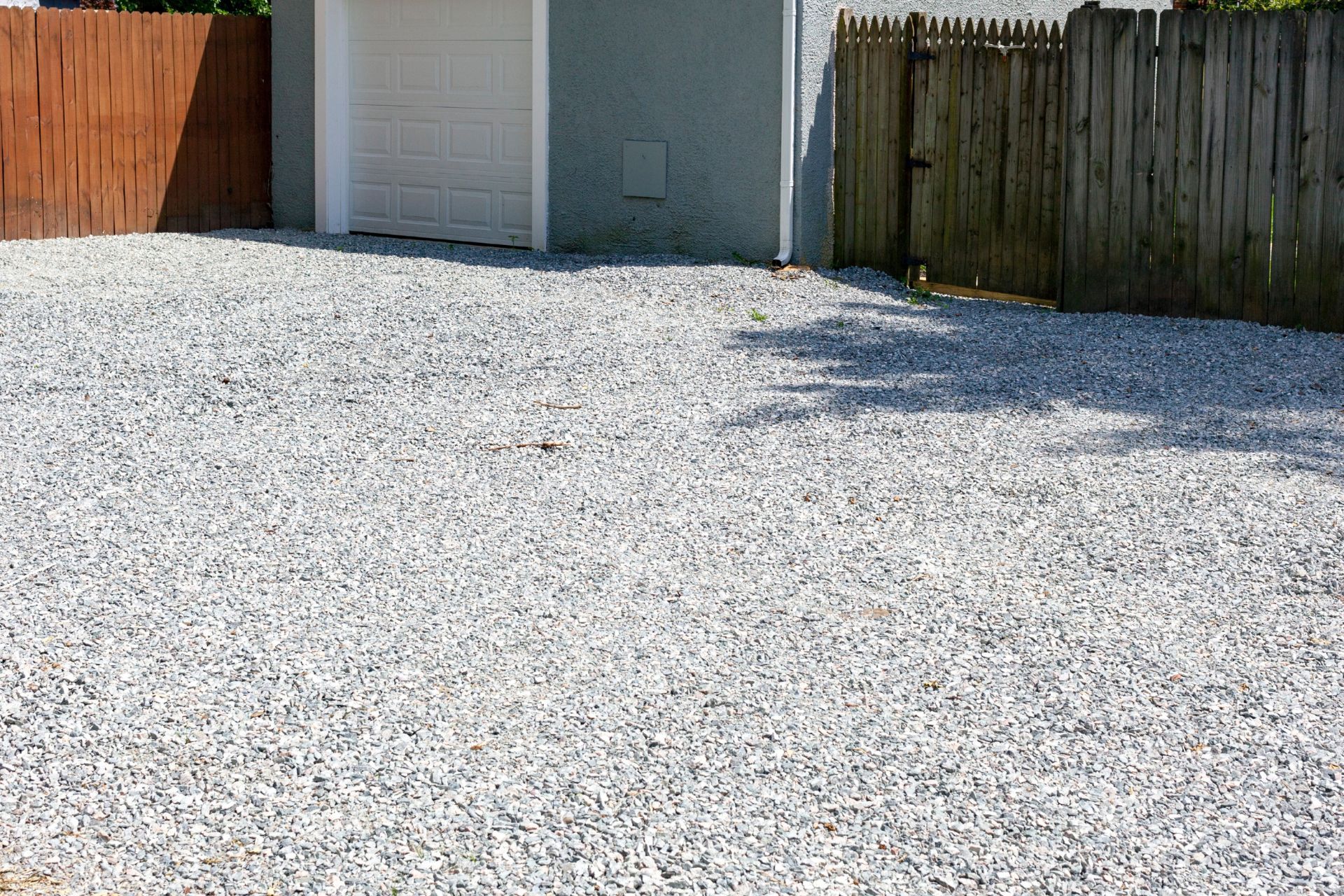
Finish grading shapes the cleared land into a surface that drains properly and supports the next phase of the project. Low spots that collect water are filled, high spots are leveled, and the overall slope is adjusted to direct runoff away from planned structures. Proper grading matters most for foundation work, where an uneven or poorly drained site can lead to cracking, shifting, or water intrusion years later. Agricultural sites benefit from grading as well, since a level field supports even irrigation and easier equipment access during planting and harvest seasons.
Equipment Used for Land Clearing in Texas
Land clearing projects rely on a range of heavy equipment matched to the size and density of the site. Common machines include:
• Bulldozers, used for pushing trees, brush, and debris into piles for removal or disposal
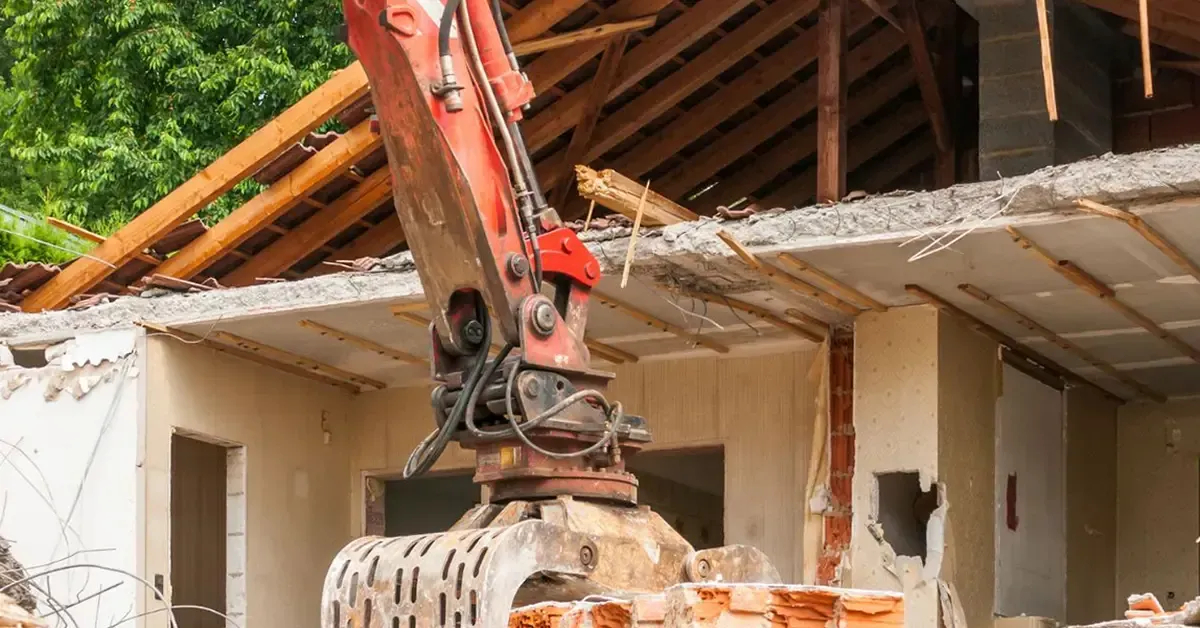
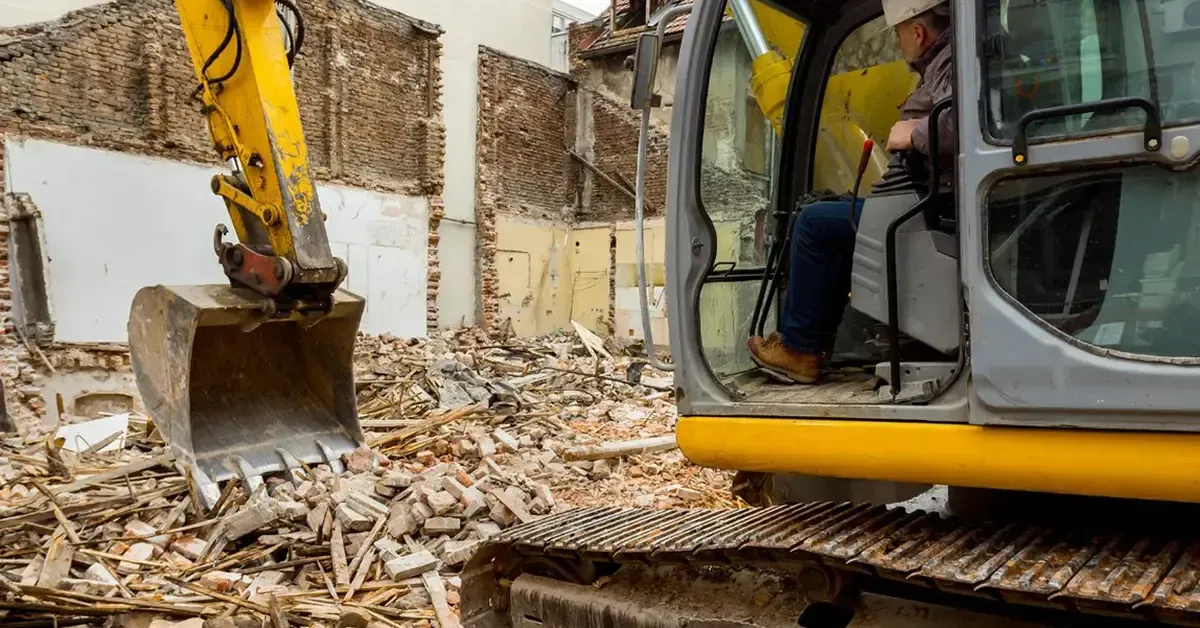
• Excavators, used for digging, grubbing, and moving large volumes of soil and root material
• Brush mulchers, used for shredding smaller trees and vegetation directly on site
• Skid steers, used for maneuvering tighter spaces and handling smaller debris and grading tasks
• Dump trucks, used for hauling cleared vegetation, stumps, and excess soil off the property
A compact excavator such as the KX-040-4 is well suited to smaller residential lots or sites with limited access, since it maneuvers through tighter spaces while still handling grubbing and grading work.
What Does Land Clearing Cost in Texas?
Land clearing cost in Texas depends on several factors rather than a flat per acre rate. Acreage size, vegetation density, the amount of debris requiring disposal, and the extent of grading needed all affect the final price. A lightly wooded lot with easy access costs less to clear than a dense, brush covered property with limited equipment access or extensive grubbing needs. Soil conditions and drainage requirements can add cost as well, particularly on sites that need significant grading before construction begins.
Because every property differs, most contractors provide a site visit before quoting a firm number. Property owners can get a free estimate before committing to a project timeline or budget.
How to Choose a Land Clearing Contractor in Central Texas
Choosing the right contractor affects both the quality of the work and how smoothly the project moves from assessment to grading. Licensing and insurance should be confirmed before signing any agreement, since land clearing involves heavy equipment and potential liability for damage to neighboring property.
Local experience matters as well, particularly for a project involving land clearing in Cleburne TX, where soil conditions, permit requirements, and terrain differ from other parts of the state. A contractor should also have equipment matched to the size of the job, since undersized machinery slows progress and oversized equipment can damage smaller lots unnecessarily. Clear communication throughout the project, from the initial assessment through final grading, helps property owners stay informed and avoid surprises.
Conclusion
Land clearing moves a property from an unusable wooded or brush covered state to a graded, ready to build site through five connected steps. Site assessment identifies what a property needs before any equipment arrives, permit and regulatory checks confirm what is allowed under state and county rules, and tree, brush, and root removal clear the ground of everything standing in the way. Grading finishes the process by shaping the land to drain properly and support the next phase of construction or agricultural use. Skipping steps or hiring a crew without the right equipment often costs more time and money later, whether through failed inspections, drainage problems, or a site that needs rework before building can start.
Property owners in Cleburne, Johnson County, and the surrounding Central Texas region who are planning a new build, a farm project, or any ground up development can call
(254) 205-6983 or visit
our website to schedule a land clearing estimate before the next phase of the project begins.
Recent Posts